What Makes Red Velvet Cake So Velvety? Taste & Texture Secrets
The allure of Red Velvet Cake is undeniable. Its striking crimson layers, often dramatically contrasted with pristine white frosting, capture attention long before the first forkful. Yet, the true magic of this beloved dessert extends far beyond its vibrant appearance. The name itself — "red velvet" — is a promise: a promise of a specific, luxurious taste and an exquisitely tender texture that sets it apart from every other cake. But what exactly are the culinary secrets that deliver on this promise, making each bite so incredibly soft, moist, and subtly complex?
For many, the first encounter with a slice of red velvet cake is a revelation. Perhaps you, like countless others, were initially intrigued (or even intimidated) by its bold color at a grocery store or bakery. But the moment you taste it, any skepticism melts away, replaced by the delightful surprise of its unique flavor profile. It's not quite a chocolate cake, nor is it a vanilla one. Instead, it occupies a delightful space in between, offering a depth that is both familiar and excitingly distinct.
This article delves into the fascinating world of red velvet cake, dissecting the key ingredients and techniques that contribute to its signature velvety crumb, perfect moistness, and wonderfully balanced flavor. Whether you're a seasoned baker, an aspiring home cook, or simply a fan eager to understand your favorite treat, prepare to uncover the delicious science behind this iconic dessert.
The Allure of Red Velvet: More Than Just Color
The visual appeal of red velvet cake is a major part of its charm. The rich red hue, often enhanced by food coloring today, originally stemmed from a chemical reaction between acidic ingredients like vinegar and natural cocoa powder, resulting in a reddish-brown tint. While modern cakes often use food coloring to achieve that iconic vibrant red, the underlying composition remains key to its character.
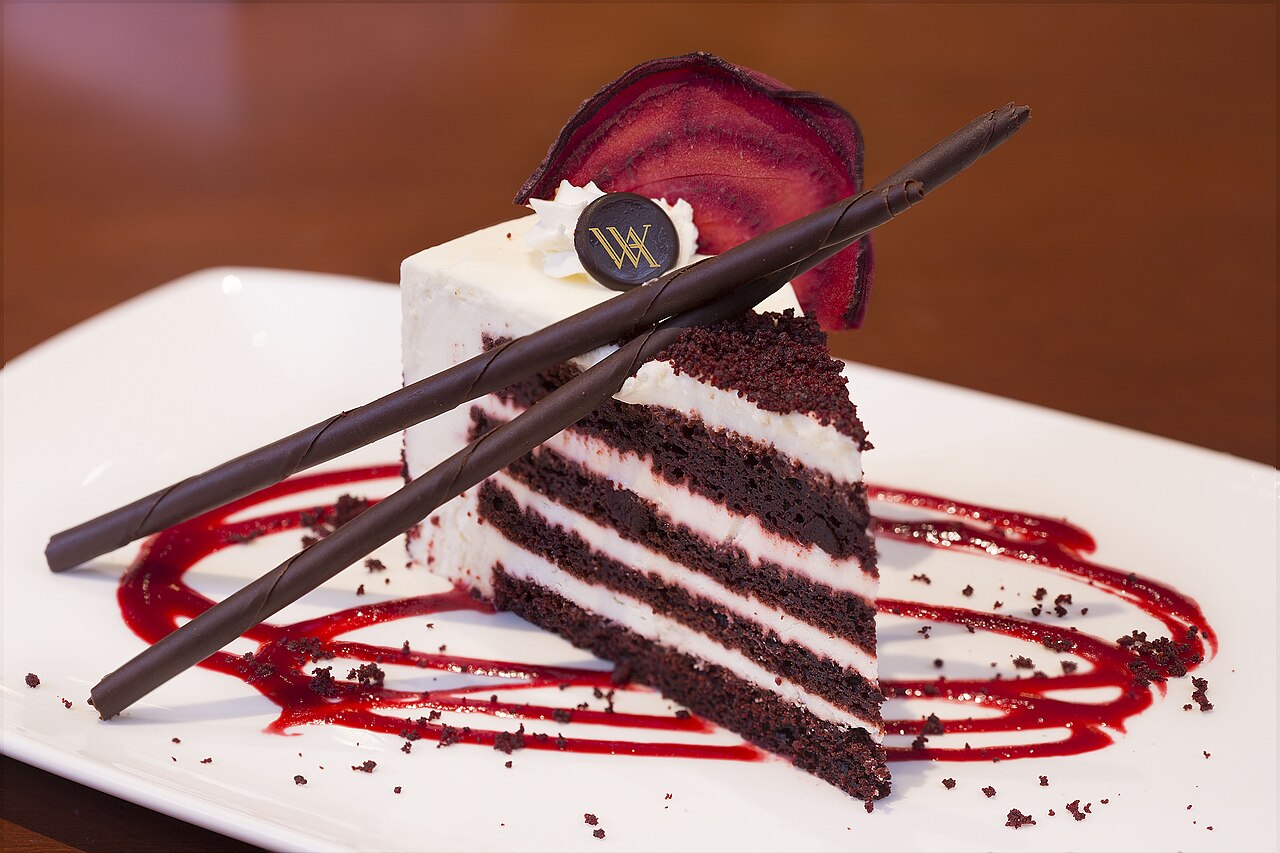
Beyond the striking color, the very name "velvet" speaks to an expected sensory experience. This isn't just marketing; it's a descriptor that perfectly encapsulates the cake's desired texture. A truly great red velvet cake offers a fine, close-grained crumb that feels exceptionally smooth and tender on the palate, almost melting in your mouth. This isn't a dense, heavy cake, nor is it an airy, insubstantial one. It strikes a perfect balance, promising richness without being overly heavy.
The Velvety Crumb: Texture Secrets Unveiled
Achieving that signature "velvet" texture is a careful interplay of specific ingredients and preparation methods. It's a testament to how seemingly small details can make a world of difference in baking.
The Acidic Foundation: Buttermilk (or its ingenious substitutes) and Vinegar
One of the most critical components in the red velvet cake recipe is acidity. Traditionally, buttermilk is a staple, but savvy bakers often achieve similar results with a simple milk and vinegar (or lemon juice) substitute. This acidic environment plays several vital roles:
- Tenderizing the Crumb: The acids in buttermilk and vinegar break down the gluten in the flour, preventing the cake from becoming tough or chewy. This results in an incredibly soft and tender crumb, fulfilling the "velvet" promise.
- Reacting with Leaveners: Acidity is essential for activating baking soda. This reaction produces carbon dioxide gas, which creates tiny air pockets throughout the batter, contributing to the cake's light, fluffy volume and delicate texture.
- Subtle Tanginess: The acids also impart a subtle, pleasant tang to the cake itself, a distinctive note that perfectly complements the mild chocolate and sweet frosting.
Leavening Agents: The Dynamic Duo of Baking Soda and Powder
While baking soda is crucial for reacting with the cake's acidic elements, many modern red velvet cake recipes also incorporate baking powder. This strategic combination provides a more reliable and consistent lift:
- Baking Soda: Primarily activated by acid, it gives an initial burst of lift and contributes to the tender crumb structure.
- Baking Powder: Often double-acting, it reacts first with moisture at room temperature and then again with heat in the oven. This ensures sustained leavening throughout the baking process, resulting in a consistent rise and a beautifully open yet fine crumb. The combined effect of both leaveners ensures the cake is light, airy, and truly fluffy.
The Right Fat and Moisture Balance
Moisture is paramount for a truly velvety and delicious cake. Red velvet cake typically incorporates a careful balance of fat (often oil or a combination of oil and butter) and liquid ingredients to achieve its characteristic moistness. Oil, in particular, contributes to a consistently moist crumb that stays soft even after refrigeration, unlike butter which can firm up. The goal is to maximize liquid content without making the cake dense or mushy, ensuring it remains perfectly moist and tender for days.
Gentle Mixing for a Silky Batter
While some cakes demand meticulous creaming of butter and sugar or careful separation of eggs, many red velvet cake recipes pride themselves on simplicity. Often, the batter can be whisked together in as little as 5 minutes, with ingredients added progressively. This straightforward approach, focusing on gentle whisking rather than vigorous beating, helps prevent overmixing of the flour. Overmixing can develop too much gluten, leading to a tougher, less "velvety" cake. The ease of preparation, therefore, directly contributes to the desired texture.
A Symphony of Flavors: Taste That Lingers
Beyond texture, the taste of red velvet cake is equally complex and captivating. It’s a carefully orchestrated blend of flavors that leaves you wanting more, never feeling overly sweet or one-dimensional.
The Subtle Chocolate Whisper
A distinctive characteristic of red velvet cake is its judicious use of cocoa powder. Unlike a traditional chocolate cake where cocoa is the star, here it plays a supporting role. Only a small amount is typically added, providing a subtle chocolate background rather than an overwhelming cocoa punch. This makes the cake a delightful "blend of vanilla and chocolate," as some describe it, adding depth and complexity without dominating the other flavors. This delicate balance is part of its unique charm, differentiating it from purely chocolate-centric desserts.
The Tangy Counterpoint: Cream Cheese Frosting and Cake's Acidity
No red velvet cake is complete without its signature tangy cream cheese frosting. This isn't just any frosting; its slight tartness is absolutely essential for balancing the sweetness of the cake and complementing the subtle tang already present in the cake itself from the vinegar. The rich, creamy frosting provides a perfect counterpoint, elevating the overall taste experience from merely sweet to wonderfully harmonious. It creates a dynamic interplay on the palate, making each bite incredibly satisfying.
Perfectly Sweetened: A Desire for More
A truly exceptional red velvet cake is perfectly sweetened. It avoids the pitfall of being cloyingly sweet, a common complaint with many desserts. Instead, it hits that sweet spot where the flavors are bright and satisfying, but never overwhelming. This careful sweetness, balanced by the tang of the cake and frosting, is precisely what makes you reach for another slice, making it dangerously addictive.
Achieving Bakery-Quality Red Velvet at Home: Tips for Success
Creating a bakery-worthy red velvet cake at home is surprisingly accessible, especially with recipes that prioritize simplicity without sacrificing taste. Here are some actionable tips to ensure your cake is wonderfully soft, moist, and flavorful:
- Use Room Temperature Ingredients: Ensure your eggs, milk (or buttermilk substitute), and even cocoa powder are at room temperature. This helps them emulsify better, creating a smoother, more uniform batter and a finer crumb.
- Don't Overmix: After adding the dry ingredients, mix just until combined. Overmixing develops gluten, which can lead to a tough, dense cake. A few lumps are better than an overmixed, smooth batter.
- Measure Accurately: Baking is a science. Use a kitchen scale for flour if possible, and level off all dry ingredients precisely to ensure the right balance of texture and moisture.
- The Buttermilk Substitute Trick: If you don't keep buttermilk on hand, don't fret! You can easily make your own by adding 1 tablespoon of white vinegar or lemon juice to a measuring cup, then filling it up to the 1-cup mark with regular milk. Let it sit for 5-10 minutes until it slightly curdles. This simple trick ensures you can still enjoy a wonderfully The Best Moist Red Velvet Cake Recipe (No Buttermilk Needed!).
- Cool Completely: Allow your cake layers to cool completely in their pans on a wire rack before attempting to frost them. Rushing this step will result in melted frosting and a messy cake.
- Embrace Simplicity: Many excellent recipes, like those designed to achieve a Easy Red Velvet Cake: Get a Soft, Moist Crumb in 5 Minutes, focus on straightforward steps that yield incredible results. There's no need for overly complicated techniques to achieve perfection.
The beauty of red velvet cake lies in its exquisite balance. From the tenderizing effects of acid and leaveners to the subtle hint of chocolate and the essential tang of cream cheese frosting, every element plays a crucial role. It’s a testament to how simple ingredients, when combined thoughtfully, can create a dessert that is truly unforgettable.
Conclusion
The enduring appeal of red velvet cake is a testament to its unique character. It's a dessert that perfectly marries visual spectacle with an unparalleled sensory experience. The "velvety" texture, achieved through the careful interplay of acidic ingredients, precise leavening, and thoughtful mixing, delivers a crumb that is soft, moist, and tender beyond compare. Coupled with its subtly chocolatey flavor profile, the essential tang of its cream cheese frosting, and its perfectly balanced sweetness, red velvet cake offers a symphony of tastes and textures that stands apart. Understanding these secrets not only deepens our appreciation for this classic but also empowers us to recreate its magic in our own kitchens, ensuring every slice is a truly luxurious treat.
